

Ever thought about what protects you if you get hurt in a car crash? Personal Injury Protection (PIP) insurance might be what you need.
PIP insurance is a key part of car insurance. It gives you financial help after an accident. It covers more than just basic insurance, helping drivers and passengers a lot.
Personal Injury Protection is simple. It pays for medical bills, lost work, and rehab after a car accident. It’s different from regular car insurance because it doesn’t wait to see who’s at fault. You get help right away.
In the U.S., many drivers use PIP insurance to stay safe financially. Knowing about your PIP coverage can really help after an accident.
Table of Contents
Key Takeaways
- PIP provides immediate financial protection after accidents
- Coverage includes medical expenses and lost income
- Operates on a no-fault insurance principle
- Available in multiple states with varying requirements
- Can supplement existing health insurance
What Does PIP Stand For in Insurance?
Personal Injury Protection (PIP) is a key part of auto insurance. It gives you medical coverage after an accident. Knowing about PIP can help protect your money when accidents happen.
PIP insurance has special benefits. It pays for medical costs, lost wages, and rehab from car accidents. This is true, no matter who was at fault.
Definition of Personal Injury Protection
Auto Policy PIP helps drivers and passengers right away. It has important features:
- It pays for medical costs right away.
- It helps with lost work hours.
- It supports rehab and recovery.
- It protects family members in the car too.
Importance of PIP in Auto Insurance
PIP coverage is fast and helps a lot. It quickly covers medical and recovery costs. This helps accident victims not have to worry about money.
Common Misconceptions About PIP
Many people don’t get PIP insurance right. Some think it only works in certain states or that it’s the same as health insurance. But, PIP has special benefits that work with health insurance.
Knowing about PIP helps you choose better auto insurance. It makes sure you’re covered when accidents happen.
How PIP Insurance Coverage Works
Personal Injury Protection (PIP) insurance is key in auto insurance. It helps after an accident. Knowing how PIP works can help with medical and money issues.
PIP insurance helps in No-Fault Insurance States. It gives money right away, no matter who was at fault. It covers many personal and medical needs.
Coverage Basics
PIP insurance pays for many things after an accident:
- Medical treatment and hospital bills
- Lost Wages PIP compensation
- Rehabilitation costs
- Essential services like childcare
- Funeral expenses in fatal accidents
Key Benefits of PIP
PIP does more than regular medical insurance. It gives quick money help. This means no long waits for legal or insurance issues.
- Rapid medical expense reimbursement
- Income replacement during recovery
- Protection for passengers and family members
- Coverage regardless of fault
State-Specific Regulations
PIP rules change a lot by state. Some states require it, others let you choose. It’s important to know what your state says.
Talking to an insurance expert can help. They can find the best PIP for you and where you live.
Who Needs PIP Insurance?
Personal Injury Protection (PIP) insurance is key in car insurance. It changes a lot from state to state. Knowing who needs it can help avoid big money problems after a car crash.
Do you need PIP insurance? It depends on a few things. The Insurance Information Institute says 12 states make PIP coverage a must.
States Requiring PIP Coverage
PIP Deductible Explained changes with each state. But, most states with no-fault insurance laws require it.
- Florida
- Hawaii
- Kansas
- Kentucky
- Massachusetts
- Michigan
- New Jersey
- New York
- North Dakota
- Pennsylvania
- Utah
- Washington
Who Should Consider Purchasing PIP?
Think about PIP vs MedPay based on your situation. You might want it if:
- You have little health insurance.
- You don’t have any health coverage.
- You have a job that’s risky.
- You have a family with many drivers.
Exceptions to PIP Requirements
Some people might not need PIP if they have good health insurance. It’s important to check your insurance needs well.
Benefits of PIP Insurance Coverage
Personal Injury Protection (PIP) insurance helps drivers and passengers after an accident. It covers important costs that health insurance might not. This gives peace of mind.
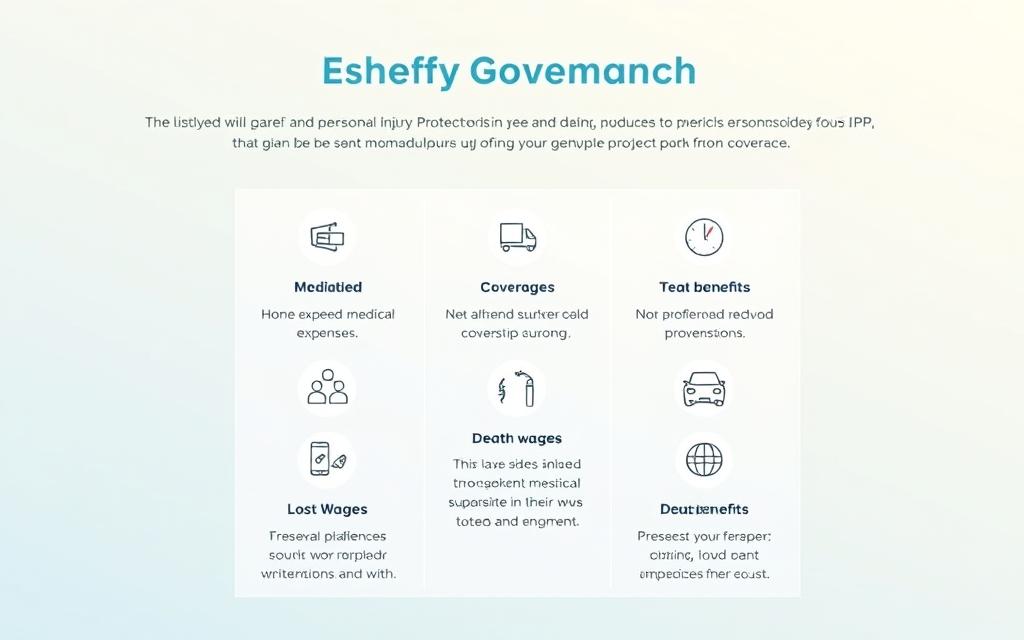
PIP insurance goes beyond regular medical coverage. It creates a strong safety net for those hurt in accidents.
Medical Expense Coverage
PIP insurance covers a wide range of medical costs. This includes:
- Emergency room treatments
- Surgery expenses
- Doctor consultations
- Diagnostic testing
- Prescription medications
Lost Wages Compensation
When you can’t work because of an injury, PIP insurance helps. It lets you get a part of your lost income. This keeps your finances stable while you recover.
| PIP Benefit Category | Typical Coverage Percentage | Maximum Duration |
|---|---|---|
| Medical Expenses | 80-100% | 1-3 years |
| Lost Wages | 60-70% | Up to 2 years |
| Essential Services | Up to $200/week | 12-52 weeks |
Rehabilitation Costs
Recovering from an accident is more than just medical care. PIP insurance often covers important rehabilitation services. This includes:
- Physical therapy
- Occupational therapy
- Psychological counseling
- Specialized medical equipment
PIP insurance gives full financial protection. It lets accident victims heal without worrying about money.
What Does PIP Insurance Cover?
Personal Injury Protection (PIP) insurance covers more than regular auto insurance. It helps drivers financially after an accident. Knowing what PIP covers is key to protecting yourself.
PIP insurance protects drivers and their families well. It’s important to know when to use it. This is for medical emergencies and injuries from car accidents.
Medical Expenses Explained
PIP covers many medical costs. These include:
- Hospital and surgical treatments
- Doctor consultations
- Diagnostic procedures like x-rays
- Ambulance and emergency medical services
- Prescription medication expenses
Coverage for Recurring Medical Needs
Most PIP policies help with ongoing medical needs. Rehabilitation costs, physical therapy, and long-term care services are usually covered.
Family Member Protection
PIP insurance also protects family members. If your spouse or dependents get hurt in a car accident, they might get medical and financial help from your policy.
Drivers should check their PIP policy details. It’s good to talk to an insurance expert. They can explain the specifics of personal injury protection.
Limitations of PIP Insurance Coverage
Personal Injury Protection (PIP) is a key part of auto insurance. But, it’s important to know its limits. Not all costs are covered, and knowing this helps plan your insurance better.
Policy Limits and Caps
PIP insurance has money limits that can affect your coverage. Policies have set max amounts for different costs. These limits vary by state and policy, so it’s vital to check your details.
- Medical expense coverage usually ranges from $2,500 to $10,000
- Lost wage compensation often covers 60-80% of your regular income
- Rehabilitation costs may have separate limit brackets
Exclusions in PIP Coverage
Even though PIP offers great protection, some things aren’t covered. Knowing what’s not included can avoid financial surprises after an accident.
- Property damage is not covered
- Pain and suffering claims are excluded
- Emotional distress compensation is not included
- Injuries to other drivers may not be protected
Comparing PIP to Other Insurance Types
PIP is different from health or liability insurance. It’s a no-fault coverage that gives immediate financial help, no matter who’s at fault. This makes it unique compared to other insurance types.
Reviewing your policy and understanding its limits is key. It helps you make a solid insurance plan that covers you well in accidents.
How to Choose PIP Insurance?
Choosing the right Personal Injury Protection (PIP) insurance is important. You need to think about what you need and what your state requires. This helps you pick the right coverage limits for PIP insurance.
Factors to Consider When Selecting PIP Coverage
When picking PIP insurance, look at a few key things. Drivers should think about:
- Current health insurance coverage
- Financial stability
- Personal risk tolerance
- State Requirements PIP regulations
Comparing Policies and Premiums
When you compare PIP insurance, look at what matters most. Make sure to check each policy’s details for good coverage.
| Coverage Level | Typical Premium | Medical Expense Coverage |
|---|---|---|
| Minimum State Requirements | $50-$100 annually | $2,500-$5,000 |
| Enhanced Coverage | $150-$300 annually | $10,000-$25,000 |
Understanding Coverage Levels
PIP insurance comes in different levels of coverage. Knowing your policy well is key. Some insurers let you choose based on your needs.
Check your policy every year. Change it if your life changes. Talking to an insurance expert can help you find what’s best for you.
PIP vs. Health Insurance
Understanding insurance can be hard. It’s even harder to know the difference between Personal Injury Protection (PIP) and health insurance. The Car Insurance PIP Guide says these coverages have different jobs in helping with medical costs after an accident.

In states where PIP is needed, auto injuries need special coverage. PIP gives benefits that health insurance might not. This is important for your health after an accident.
Key Differences Between PIP and Health Insurance
- Scope of Coverage: PIP covers injuries from car accidents
- Health insurance covers more medical treatments
- PIP helps with lost wages
- Health insurance doesn’t cover lost wages
When to Rely on Each Coverage
Knowing when to use PIP or health insurance can help you save money. PIP is first for car accident injuries. It pays for medical costs and lost wages right away.
| Coverage Type | Auto Accident Injuries | Lost Wages | Medical Expenses |
|---|---|---|---|
| PIP Insurance | Fully Covered | Partial Compensation | Immediate Coverage |
| Health Insurance | Limited Coverage | No Coverage | Standard Medical Treatment |
Overlap Between PIP and Health Insurance
Sometimes, PIP and health insurance work together. Your health insurance might help with more treatments after PIP runs out. This makes a strong safety net for your medical needs after an accident.
Filing a PIP Claim
After an auto accident, the PIP claim process can seem hard. Knowing the steps helps you get your medical coverage fast. This makes recovery easier and less stressful.
Immediate Steps After an Accident
Your PIP claim starts right after the accident. Fast and smart actions can help a lot:
- Get medical help right away
- Keep records of all injuries and treatments
- Call your insurance within 24 hours
- Collect all details about the accident
Essential Documentation for PIP Claims
Good PIP Medical Coverage claims need solid documents. Get these important papers ready:
- Police report of the accident
- Medical records and bills
- Proof of any lost wages
- Insurance claim form
- A detailed story of the accident
Preventing Claim Denials
Insurance companies might say no to PIP claims for many reasons. To avoid this, do these things:
- Send in all the needed documents
- Meet the reporting deadlines
- Give correct medical info
- Stay in touch with your insurance adjuster
Pro tip: Always keep copies of all documents. Also, keep talking to your insurance provider during the claims process.
Understanding PIP Premiums
Personal Injury Protection (PIP) insurance is key for auto injury coverage. It helps protect your money after an accident. Knowing PIP insurance rules helps drivers choose the right car insurance.
PIP premiums vary. Many things affect how much you pay for personal injury protection.
Factors Influencing PIP Insurance Costs
- Where you live and state rules
- Your driving history
- How much coverage you choose
- Your risk level
- What kind of car you drive and how you use it
Typical Premium Ranges
PIP insurance costs change based on your situation. Usually, drivers pay $50 to $250 a year for basic coverage.
| Coverage Level | Estimated Annual Premium | Typical Protection |
|---|---|---|
| Minimum State Requirements | $50 – $100 | Basic medical expenses |
| Medium Coverage | $100 – $200 | Extended medical + partial lost wages |
| Comprehensive Coverage | $200 – $250 | Full medical, lost wages, rehabilitation |
Tips for Lowering Your Premium
- Keep a clean driving record
- Choose a higher deductible
- Bundle insurance policies
- Take defensive driving courses
- Compare insurance quotes
Smart drivers know how to lower PIP premiums without losing protection. Making smart choices helps you find the right balance between cost and coverage.
How PIP Insurance Affects Your State’s Law
Personal Injury Protection (PIP) insurance is key in auto accident laws across states. It helps those hurt in accidents protect their money and health. Knowing how PIP works with state laws is important.
Overview of State PIP Regulations
States have different views on PIP insurance, leading to unique laws. The amount of coverage PIP offers varies a lot. Some main differences are:
- Mandatory PIP in no-fault states
- Optional PIP in at-fault states
- Different minimum coverage levels
The Role of PIP in No-Fault States
In no-fault states, PIP is a big part of car insurance. Drivers can get medical help right away, no matter who was at fault. This makes getting help easier and cuts down on legal fights.
Impact of Failing to Carry PIP
Not having PIP can lead to big problems. You might face:
- Money fines
- License taken away
- Being legally responsible in accidents
Drivers should check their state’s PIP rules to stay safe and protected.
Frequently Asked Questions About PIP
Personal Injury Protection (PIP) insurance can be tricky for many drivers. Knowing about State Requirements PIP and Mandatory PIP States helps drivers choose the right auto insurance.
Drivers often wonder about PIP Insurance Benefits and how they work in different situations. We’ve gathered the most common questions to help clear up any confusion.
Top PIP Insurance Queries
- What exactly does PIP cover? PIP usually pays for medical costs, lost wages, and rehab for you and your passengers.
- Is PIP mandatory in all states? No, PIP rules change by state. Some states require it, while others let you choose.
- How much PIP coverage should I get? The right amount depends on your needs and state laws.
Coverage Clarifications
To understand PIP insurance, you need to know your state’s rules. Some states have no-fault laws that make PIP a must. Others let you pick your level of protection.
Additional Resources
- National Association of Insurance Commissioners (NAIC)
- Your state’s insurance department website
- Local insurance agents who know about auto coverage
Always talk to a professional insurance advisor. They can help you find the right PIP insurance for your needs and state rules.
Conclusion: Ensuring You’re Covered with PIP
Personal Injury Protection (PIP) insurance is key in many states. It helps protect drivers from big costs after an accident. Knowing about PIP is important for your safety.
PIP covers medical costs, lost wages, and more. It’s vital to think about your own risks and what your state requires. Talking to insurance experts can help you find the right coverage.
It’s important to check your insurance often. Your needs can change due to health, driving, or laws. Insurance agents can give you advice that fits your life.
Keep your insurance plan up to date with your life. Ask questions and get advice to make smart choices. This way, you and your family are safe from big injury costs.